Kathairos has emerged as the leading North American solution for methane elimination from pneumatics, with more than 2,400 systems in operation across North America and over 70 major oil and gas producer partners.
In this post
This winter tested operations across multiple regions, with extreme cold, ice storms, and unexpected weather putting site reliability to the test.
Patrick Dwyer, Project Manager at Kathairos, reflects on what stood out this season, sharing real-world feedback from the field and lessons learned about planning ahead, maintaining production, and why the right solution makes all the difference when temperatures drop.
- What stood out to you about this winter compared to previous years?
This winter has been extremely different. Here in Colorado, we have had one of our warmest winters on record. However, that has not been the case everywhere else. The Northeast has had storm after storm, and Texas has been once again hit with freezes and ice storms. In these regions, we have seen Kathairos Solutions stand out.
- What kind of positive feedback did you hear most often from operators? Any anonymous stories that we can share?
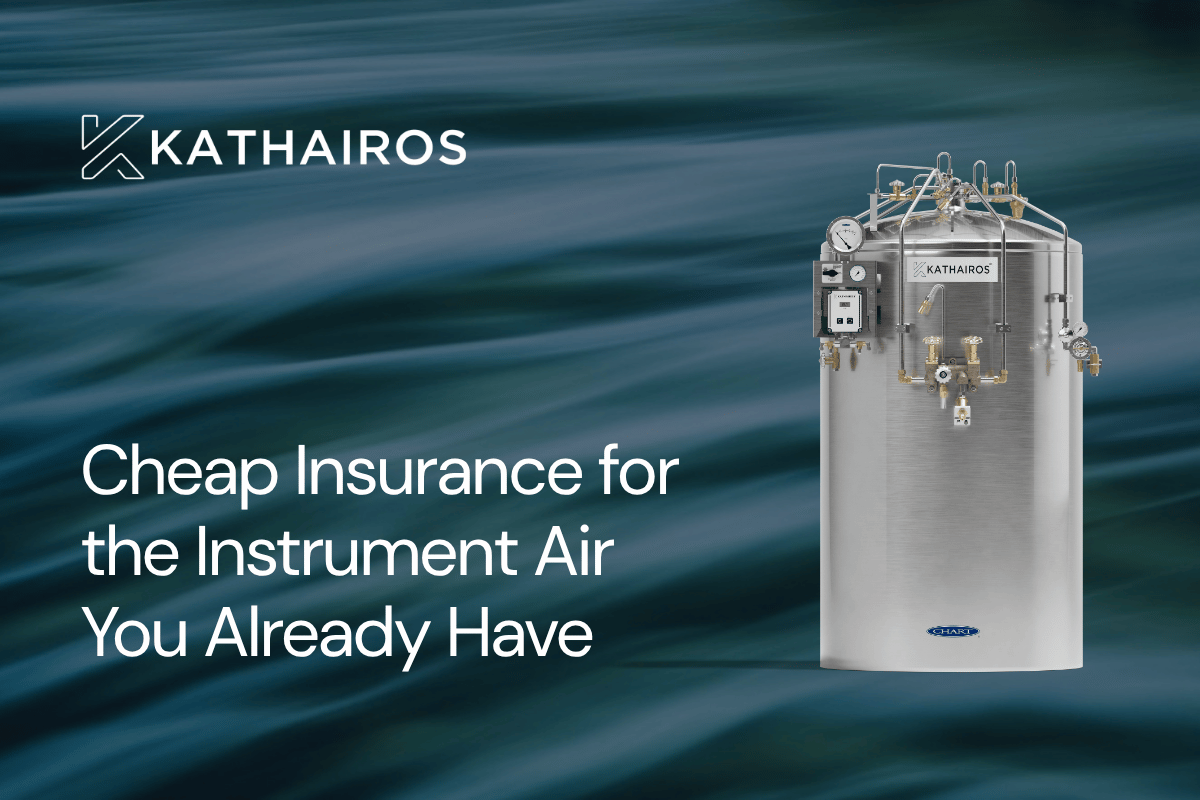
We have heard a few success stories this winter, especially across the state of Texas. Normally cold weather is not an issue there, but this January was a different story. We have seen customers emphasize the value of having nitrogen run their pneumatics. In a lot of cases, our nitrogen solution was able to keep sites producing while compressed air or field gas caused freeze ups and downtime. We have also seen a lot of nitrogen tanks kick on as back up to instrument air as compressors went down. These tanks have become a key component for greenfield sites and larger facilities where operators cannot afford any production losses.
- Where did our preparation in the fall really pay off?
Our preparation really paid off by having conversations with our customers and understanding their needs for the winter. Whether it is preparing an extra supply point for when winter weather arrives or increasing tank volumes for extra components, ultimately, we look at it as a partnership with our customers.
- How did Kathairos change the day-to-day experience for customer field teams?
You can simply put the day-to-day experience into three words: cost of ownership. Our field team takes so much pride in keeping tanks full and sites online. Kathairos’ solution changes everything when you look at field operations. Kathairos’ operations team takes complete ownership when it comes to dispatching, filling tanks, and leak mitigation. Through team effort, we monitor every site to ensure our customers do not have to. This turnkey solution is a true “set it and forget it” product. At Kathairos, we believe pumpers should go back to pumping, and operators should not have to be troubleshooting compressors and calling out I&E technicians to just get your pneumatic system back up and running. Through our telemetry system, we can also detect leaks from afar and let operators know when devices stick and malfunction.
- What did this winter teach us about cold weather operations?
Proper planning goes a long way. A lot of producers will add auxiliary equipment to their sites during winter. At Kathairos, we are able to plan ahead and fill their tanks before bad weather hits, and then the site will be able to go without a fill for the remainder of the storm. The other thing that this winter taught us is how to be proactive, and not reactive. Through our telemetry systems, we can tell what sites have sticking dump valves or a change on location. Operators can then know ahead of time the sites they need to address instead of waiting for a call out because production is down. It allows them to buy time to address an issue before it becomes detrimental.
- What are we taking forward to next winter?
As a company, we are always trying to improve. We are not perfect, but we strive to be. There are some lessons learned from this season. Working to get sites as buttoned up as possible before large storms is beneficial. Having knowledge of sites that absolutely need to stay online or sites that are a priority also helps our team make quick decisions about how we need to prepare for the winter.
- Are there any misconceptions about winter performance that this season helped correct?
I believe that the biggest misconception is that operators think they can get away with the cheaper, the better in their solution. Ultimately, this is not true. Once again, going back to the total cost of ownership, what is the cost of lost production when a site does freeze up? What is the cost to repair or even replace your current compressor? It takes very minimal downtime for it to add up to significant profit loss. The cost of having a back-up nitrogen solution is neglectable when you add up the amount you save in call outs, thawing your site out, or production loss.
- How does winter success influence how customers think about methane reduction in the long-term?
Winter weather really brings out the holes in operators’ methane reduction plans. There is a lot more that operators need to think about besides checking the box to comply with regulations. Winter success influences how a customer should think about the site's reliability. Of course, a lot of companies are driven by cost. But, cutting corners and checking off a box so you comply with regulations or organizational motives does not put you in the best position to excel. At Kathairos, we want our customers to see the benefits and value of our system while also eliminating your methane. Very simply, Kathairos offers a solution that helps customers eliminate methane, use the data to help report methane abatement, and is operationally superior to others on the current market. This is why customers keep coming back for more tanks, especially when they hear the words “cold spell”.
.png)